ServicesGenerator Installation
Generator Installation in Forest Hill
We size, set and wire standby generators and portable generator hookups so your home switches to backup power safely when the grid goes down. Before the first shovel goes in, you get a clear plan for where the unit sits, how the wiring runs and how we protect your yard.
Backup Power That Starts on Its Own and Stays Safe
The engine gets the attention, but the connection to your wiring decides whether a generator is safe. That connection runs through a transfer switch. It separates your house from the utility before generator power flows in, which protects your equipment and stops backfeed that can hurt line workers down the street. A cord run through a window or a dryer-outlet adapter skips that step, and it is the most common way generator setups go wrong.
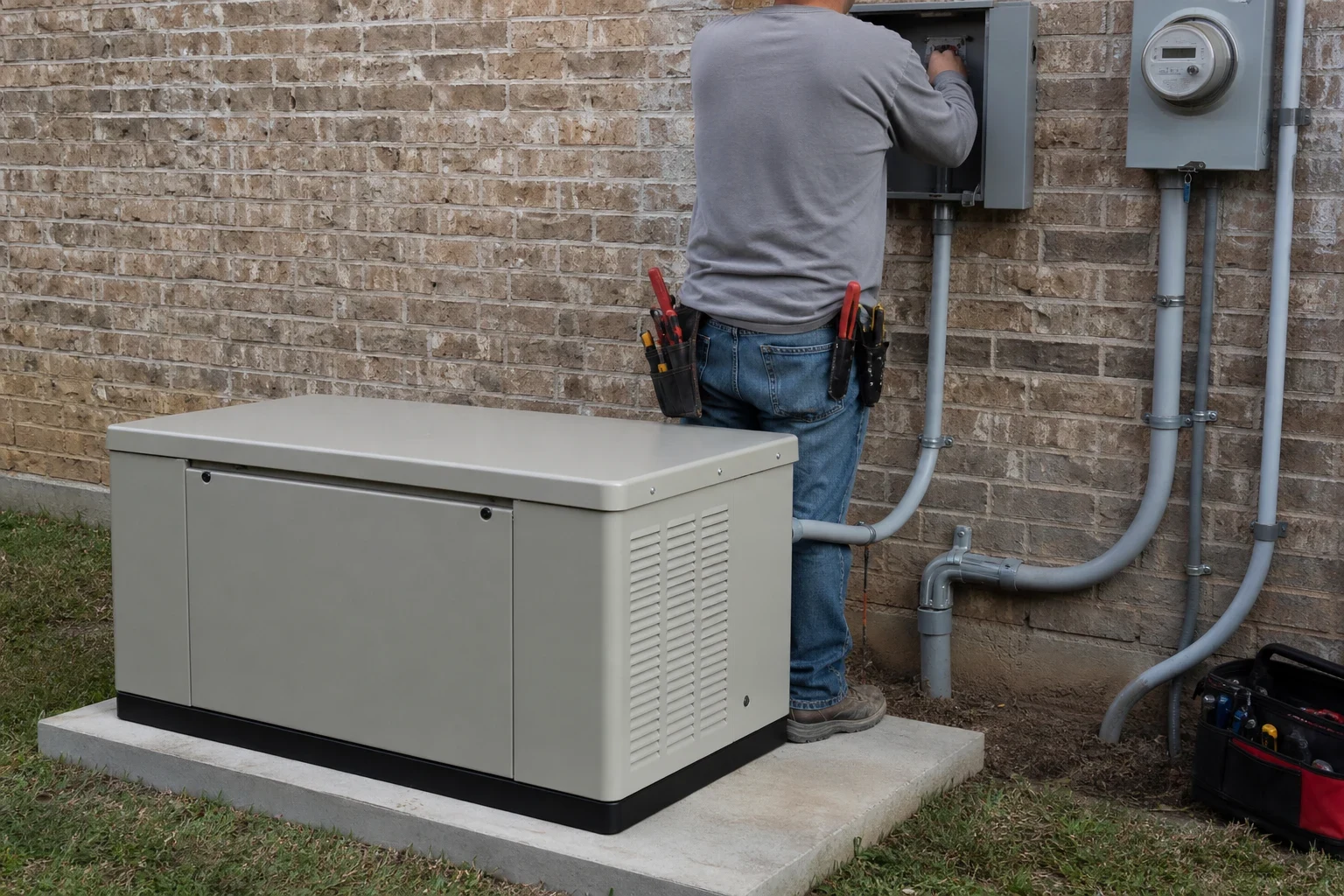
We install two kinds of systems. A permanent standby generator runs on natural gas or propane, sits on a pad outside and starts automatically within seconds of an outage. A portable generator setup uses a weatherproof inlet box and a transfer switch or panel interlock, so you roll the unit out, plug in one cord and power the circuits you chose ahead of time.
If you want quiet, fuel-free backup instead, our Home Battery Backup Systems page covers that option, and some homes pair the two.
What the Installation Covers
Load calculation
We list what you need running during an outage, such as the refrigerator, furnace blower, well pump or one AC condenser, and add up running and starting watts. Motor loads like compressors pull several times their running current at startup, so that number drives the generator size.
Transfer switch wiring
Standby units get an automatic transfer switch, either whole-house and service-rated or feeding a separate essentials subpanel. Portable setups get a manual transfer switch or a listed interlock kit on your existing panel.
Pad and placement
We set the unit on a composite or concrete pad at the manufacturer's required distance from windows, doors, vents and the house wall. North Texas clay shifts as it wets and dries, so we level and compact the base to keep the unit from tilting over time.
Conduit and wiring runs
Conductors run in buried or wall-mounted conduit sized for the generator's output, with a proper disconnect where required. Control wiring between the generator and the transfer switch runs alongside.
Fuel coordination
The gas supply has to deliver the unit's full-load demand, and an undersized line will starve the engine under load. If a new or larger line is needed, a gas plumber handles that part and we schedule our work around theirs.
Startup and walkthrough
We run the generator under load, confirm the switch transfers and returns correctly, and show you the exercise schedule, the controller display and how to shut it down.
Signs a Generator Makes Sense for Your Home
Outages that cost you money
If a long outage means a freezer of spoiled food or a flooded room from a dead sump pump, backup power pays for itself quickly.
Medical equipment at home
Oxygen concentrators, CPAP machines and refrigerated medications cannot wait for the utility crew. A standby unit restores power without anyone having to go outside.
Winter and summer storm risk
Ice storms can knock out power for days in winter, and summer thunderstorms bring their own outages. A generator keeps heat or cooling running for the rooms you live in.
Extension cords through the window
If you already own a portable generator and run cords through the house, an inlet box and transfer switch make it safer and far less work.
Working from home
Keeping a router, computer and a few lights on can matter as much as the refrigerator when your income depends on it.
How the Job Runs, Start to Finish
- 1
Site visit and plan
We look at your panel, your gas meter and the outdoor spot where the unit could sit, then walk through the loads with you. You get a written plan showing generator size, transfer switch type and the wiring route.
- 2
Paperwork and install date
Whatever permits your local jurisdiction calls for, we file them, and we line up any gas work that has to happen first. Before the day arrives, you know the install date and who will be at your home.
- 3
Protecting the property
Drop cloths go down from the door to the panel before anyone walks in. Where a trench crosses the lawn, we cut the sod in strips, set it on tarps and lay it back when the conduit is buried, keeping soil off beds and walks.
- 4
Install and test
We set the pad and unit, mount the transfer switch, pull the wire and make terminations to the manufacturer's torque values. Then we cut utility power at the main and let the system take the load so you can watch it work.
- 5
Inspection and cleanup
After the inspector signs off, we haul away packaging, sweep the work area and explain exactly what was done before we leave.
What Moves the Price of a Generator Install
Every installation is priced after we see your panel, fuel supply and yard, because those decide most of the labor. The written estimate breaks out equipment, wiring, permits and any gas work so nothing appears later.
- Generator size and type
- A whole-house standby unit costs more than one sized for essentials, and a portable inlet setup costs less than either.
- Transfer switch approach
- A service-rated whole-house switch, an essentials subpanel or a simple interlock kit each involve very different amounts of panel work. An older or full panel may need a Panel Upgrades visit first.
- Distance and route
- The farther the unit sits from the panel and gas meter, the more conduit, wire and trenching the job needs. Runs under concrete or through finished walls add time.
- Fuel supply
- An existing gas line with enough capacity keeps costs down. A new line, a larger meter or a propane tank adds to the job.
Common Questions About Backup Generators
Something not covered here? (682) 281-8982
How do you figure out how big a generator I need?
We start from the list of things you want powered during an outage, because house size tells us very little. Covering the refrigerator, lights, furnace blower and internet takes a much smaller unit than running central air and an electric range. At the site visit we add up running and starting watts and show you the math behind our recommendation.
Can I just plug my portable generator into a wall outlet?
No. A double-male cord sends power back through your wiring and onto the utility line, where it can injure a line worker and damage the generator when power returns. An inlet box with a transfer switch or interlock is the safe way to connect, and it is a modest job compared with a standby unit.
How loud is a standby generator?
Running, most air-cooled standby units sound roughly like a central AC condenser. They also run a short weekly self-test, and we can set that for a time of day that suits you and your neighbors.
How long does installation take?
Most standby installs take one to two days on site once the permits and equipment are in hand. Portable inlet setups are usually done in part of a day. Gas work and the inspection schedule can add time between visits.
Who maintains the generator after it's installed?
Standby generators need regular oil changes, filter replacement and battery checks. Our Generator Service & Repair page covers that work, and we will walk you through the maintenance schedule at startup.
Get a Generator Plan Drawn Up for Your Home
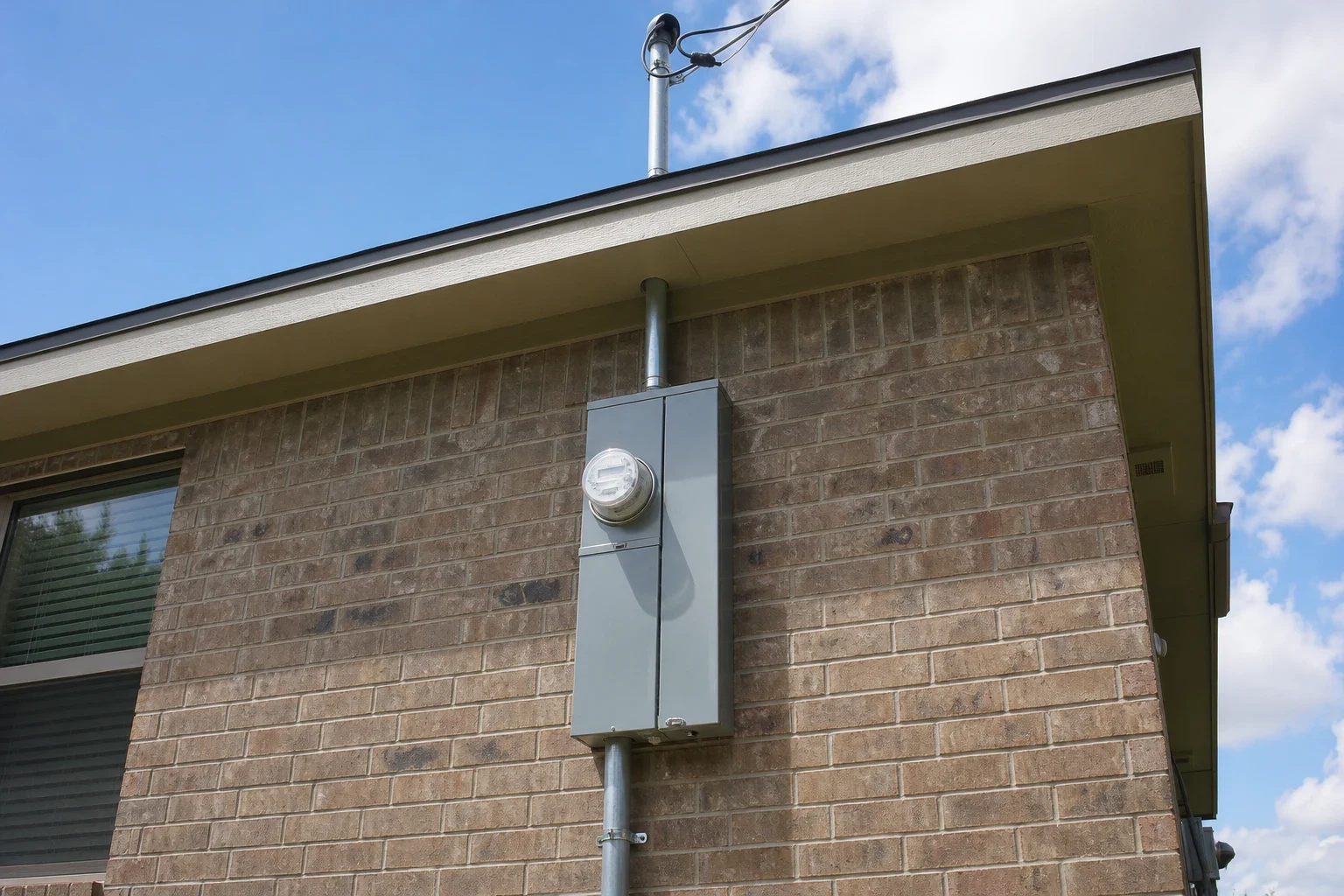
On the visit we check your panel capacity, gas or propane supply and the best spot outside, then recommend a generator and transfer switch that match the loads you care about. We work in Forest Hill, Kennedale, Everman and nearby Fort Worth.