ServicesCode Corrections
Code Corrections & Inspection Fixes in Forest Hill
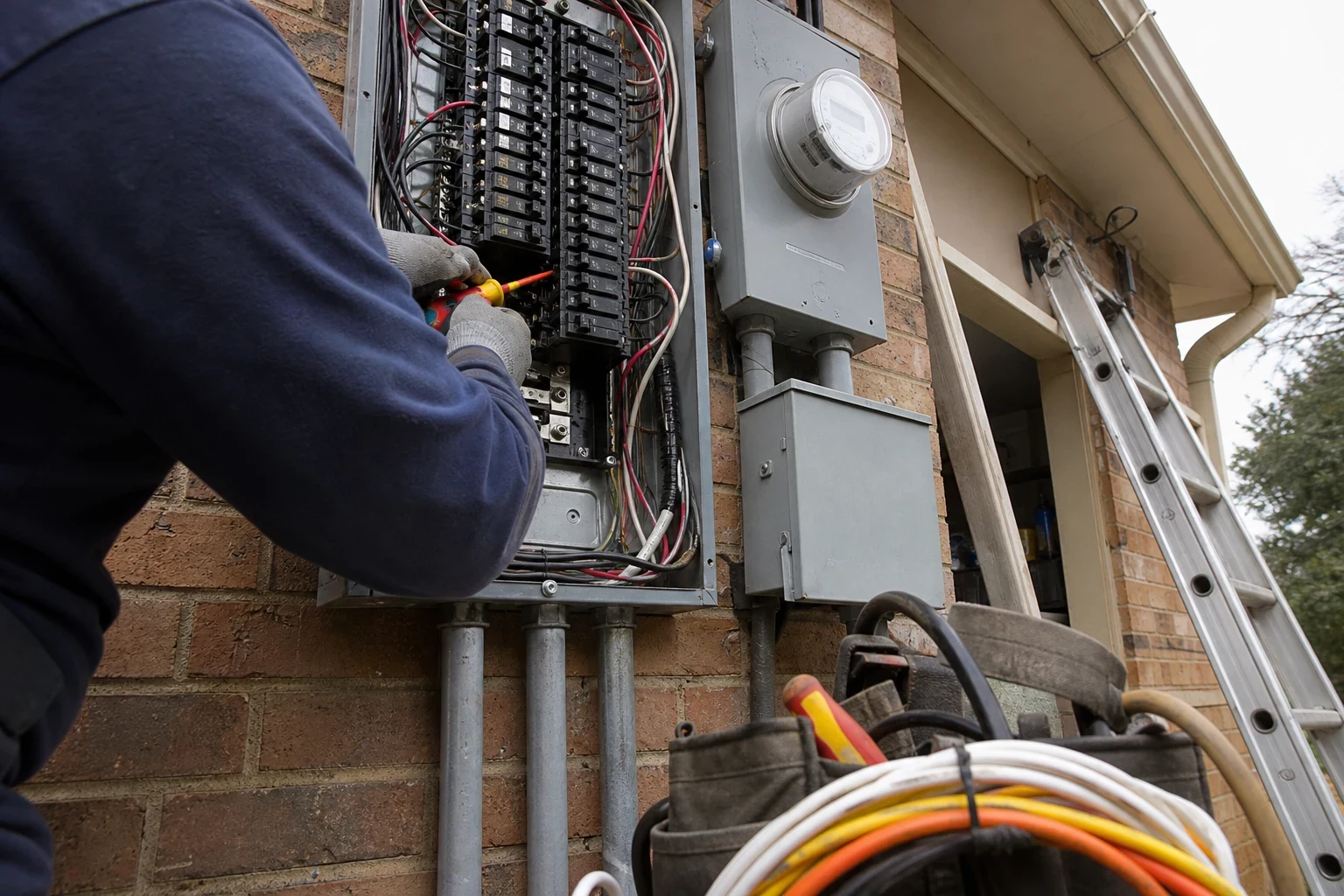
When a buyer's inspector or a city inspector writes up electrical items, a closing or a final approval can wait on them. We test each item on the list, correct what is truly out of code, and explain every change, with runners on your floors and tools kept off your landscaping.
What code correction work covers
Code corrections are the specific fixes that bring existing wiring up to what an inspector expects. The list usually comes from a buyer's home inspection, a city inspection that failed on a permit, or an insurance review. Most items are small on their own: a missing cover plate, an outlet that tests with reversed polarity, a breaker sized too large for the wire it protects.
The trick is knowing which items are true defects and which are notes. A home inspector may flag an ungrounded three-prong outlet. That has more than one acceptable fix, and the cheapest compliant one is often a GFCI device with the proper label, not new wire. We explain the options for each line so you only pay for what the report really requires.
Some items point to a bigger problem. If we find scorched bus bars or overheated aluminum branch connections, we will show you photos and talk through panel upgrades or electrical repair before anything else is touched.
What we fix most often
Ground-fault and arc-fault protection
Any receptacle near a sink, on an outside wall or in a space with a concrete floor generally calls for ground-fault protection. Arc-fault protection now reaches most circuits feeding living spaces and sleeping rooms. We decide whether a protective breaker or a device at the first outlet on the run makes more sense, then trip-test each one before we pack up.
Double taps and mismatched breakers
Two wires under a lug rated for one is one of the most common panel callouts. We pigtail the conductors or add a breaker, and we check that each breaker matches the wire gauge it feeds, such as 14-gauge on 15 amps.
Open boxes and loose splices
Splices twisted together in an attic or crawl space without a box are a fire risk. We put them in covered, accessible junction boxes and fill open knockouts in panels and boxes.
Ground rod and bonding jumpers
A loose clamp at the ground rod or a missing jumper across the gas and water lines leaves fault current without a clear path home. We trace the conductor from the panel out to the electrode, tighten or replace clamps, and add bonding where the report or our own testing shows a gap.
Outdoor and service items
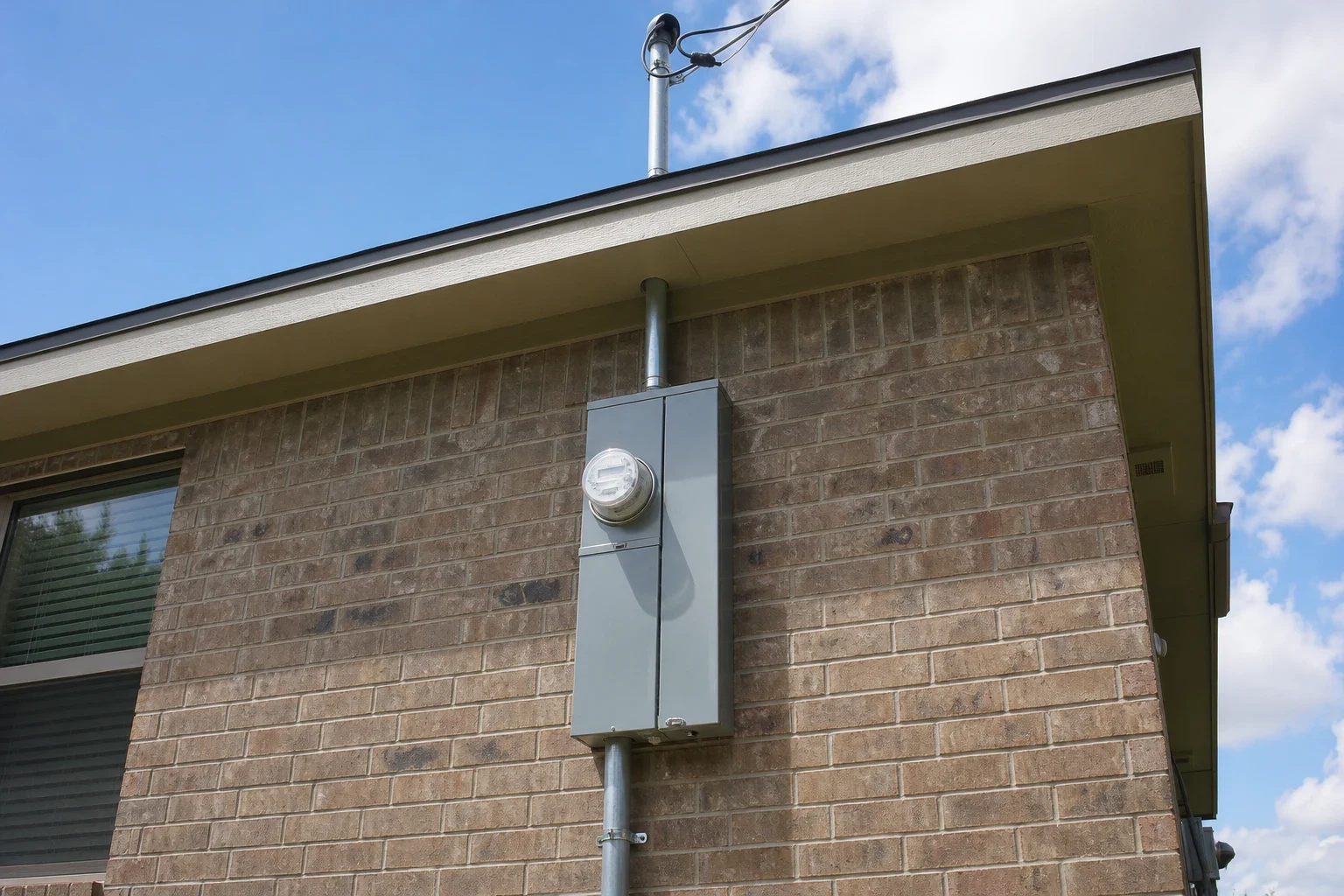
Exterior outlets need weather-resistant devices and in-use covers. We also correct damaged conduit, loose meter-to-panel connections inside the panel, and blocked working clearance in front of the panel.
Signs it is time to call about code corrections
A report lists electrical items
If a buyer's inspector or a city inspector wrote up anything electrical, it is worth having an electrician sort the real defects from the advisory notes.
Outlets that test wrong
Reversed polarity, an open ground or a GFCI that will not trip when tested are all common report items, and each has a specific cause we can trace.
Wiring that someone added later
A garage circuit or attic fan run with extension cord, cable stapled across a wall surface, or a light fed from a nearby outlet often fails inspection.
A panel that looks crowded
Tandem breakers in slots not rated for them, missing filler plates or more than one wire per lug are signs the panel has been worked on without permits.
How a correction visit runs
- 1
Go through the report with you
When you book, read us the electrical items or keep the report handy for our visit. We note which ones need a permit and which are simple device swaps.
- 2
Protect the house first
We lay floor runners from the door to the panel and every room we work in, and we keep ladders and tools off beds and landscaping when we work outside.
- 3
Verify and correct each item
We confirm every item with a meter or tester before changing anything, because reports are sometimes wrong. Then we make the correction and photograph it.
- 4
Walk you through the list
Before we leave, we go item by item with whoever is home and leave a written list of what was corrected. Where the local jurisdiction requires a permit, we pull it and are there for the inspection.
What affects the cost of code corrections
There is no single price for an inspection list because no two lists match. A report of eight device-level items can cost less than one item that needs a new circuit. We price each line before work starts so you can decide what to fix now.
- Number and type of items
- Swapping devices and adding cover plates goes quickly. Running a new circuit or replacing a grounding conductor takes more labor and materials.
- Access to the wiring
- Splices buried in attic insulation or behind finished drywall take longer to reach than wiring on an open garage wall. Summer attic heat can also slow work, so we schedule attic items for cooler hours when we can.
- Permit and inspection
- Some corrections require a permit and a return trip for the inspector. Panel and service items usually do; a GFCI outlet swap usually does not.
- What we find behind the cover
- Heat damage, aluminum wiring or a panel that is no longer safe to work on changes the scope. We stop and show you before any extra work.
Questions about code corrections
Something not covered here? (682) 281-8982
My home inspector's report lists electrical items. Is that enough for you to start?
It gives us a good starting list. Home inspectors mostly look and use a plug-in tester, so we confirm each item with our own meter before changing anything. Now and then an item turns out to be mislabeled or already compliant, and you should not pay to fix those.
Do I have to fix everything on the list?
Not always. A report mixes safety defects with notes about older but allowed installations. We tell you which items are genuine code violations, which are recommendations, and which a buyer is most likely to ask about.
Will you pull a permit for these fixes?
When the local jurisdiction requires one, yes, and we schedule the inspection. Many device-level corrections do not need a permit, and we will tell you which is which when we price the job.
Does an ungrounded outlet mean I need new wiring?
Usually not. Code allows a GFCI outlet or breaker to protect ungrounded three-prong outlets as long as they are labeled. A new ground wire is only needed for some equipment, so we explain both options.
Who needs to be home during the visit?
Someone who can let us in and tell us about any rooms that are off limits. We will need access to the panel, the attic hatch if items are up there, and power off to some circuits for short periods, which we announce before each shutoff.
Get your inspection items cleared
Have your report nearby when you phone and we will set a time to verify each item, make the corrections, and explain what changed. We cover Forest Hill along with Kennedale, Everman and Fort Worth.